Inspection-first scoping
We start by identifying rust, prior body filler, old collision repairs, and mechanical issues that can affect safety or the final finish. The scope comes from what the car needs, not assumptions.
Serving Austin, Texas & surrounding areas
Mon–Fri 8am–6pm · Sat 9am–2pm
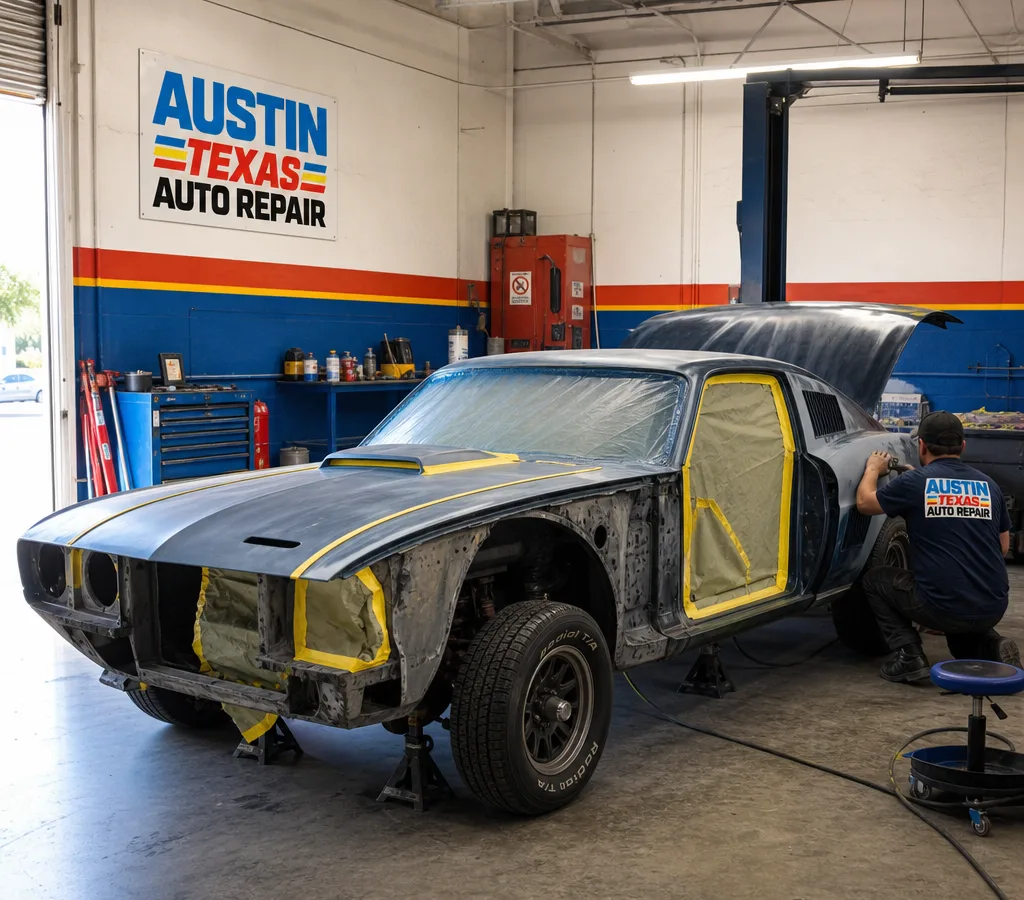
Classic auto restoration in Austin, Texas
Bring a classic back the right way with careful inspection, documented work, and craftsmanship that holds up to Austin heat, traffic, and weekend drives.
Scope before work begins
If you are searching for auto restoration Austin work, you want more than a quick respray. You want a shop that can evaluate what is really going on under the paint, set a clear scope, and keep the car moving through the stages without losing track of details.
At Austin Texas Auto Repair, restoration starts with an inspection and a conversation about your goals: factory-correct, clean driver, or show-level finish. We document condition, flag safety issues early, and build a step-by-step plan so you know what is being repaired and why. When it makes sense, we preserve original parts and trim; when it does not, we source replacements that fit properly and finish correctly.
Because restoration often overlaps with everyday drivability, many owners also keep a separate daily vehicle for commuting. If you need routine work on a modern car while your classic is down, our auto repair shop in Austin Texas can help keep the rest of your garage running.
Body, finish, trim, and mechanical work
Auto restoration is an umbrella service. Some projects are targeted repairs on an older vehicle; others are full tear-downs with body, paint, and mechanical work. We help you choose a scope that matches your budget, timeline, and how you plan to use the car.
Common restoration scope areas:
In Austin, heat and sun can punish paint, rubber seals, and interiors, so we pay close attention to UV exposure and heat cycling when choosing materials and planning cure times. Stop-and-go traffic on I-35 and Mopac can also expose marginal cooling systems fast, so cooling and brake condition often become part of the early restoration conversation.
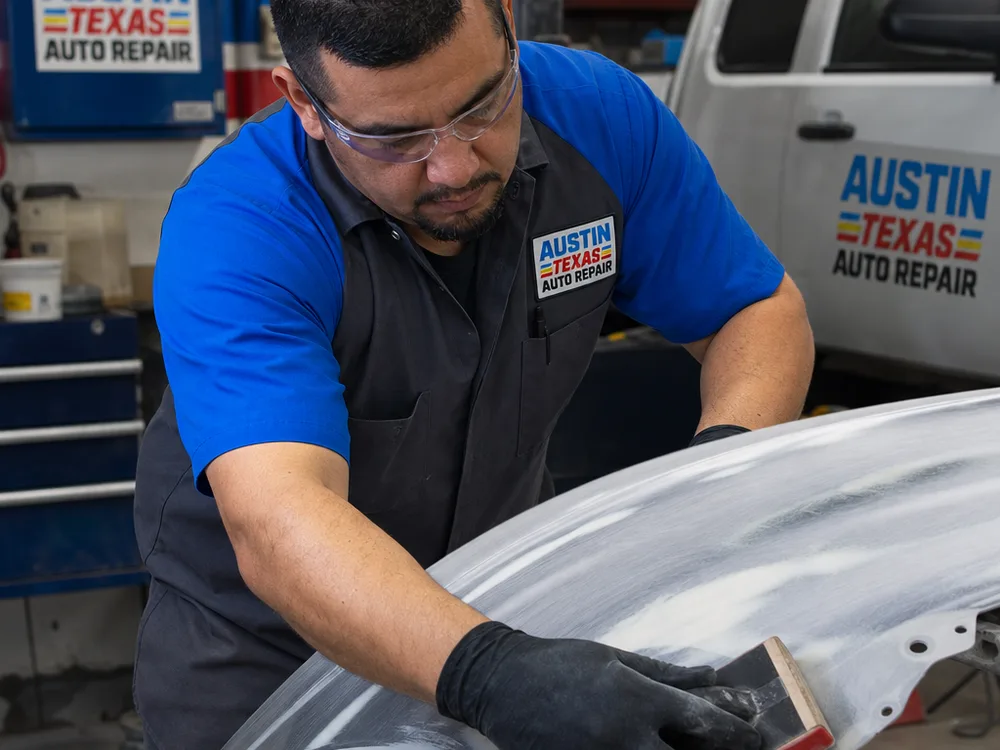
Clear checkpoints from start to finish
We start by identifying rust, prior body filler, old collision repairs, and mechanical issues that can affect safety or the final finish. The scope comes from what the car needs, not assumptions.
Restoration moves through teardown and evaluation, metal and bodywork, primer and blocking, paint, reassembly, and road testing. You stay informed as the car progresses.
Classic parts do not always fit out of the box. We plan for alignment, shimming, latch and striker adjustment, and trim fit so the car closes and seals correctly.
A durable finish comes from straight panels, clean substrates, correct primers, and controlled cure time. We do the slow work that makes the glossy work look right.
If your goal is to drive the car, we prioritize brakes, steering, cooling, and electrical basics so the restoration is not only cosmetic.
We can coordinate drop-off planning around local traffic patterns and keep you updated so the project stays easy to manage around work and family schedules.
We look over the vehicle's condition and confirm your target: factory-correct restoration, a solid driver, or a higher-end finish. We also discuss how you use the car, including highway driving and summer heat concerns.
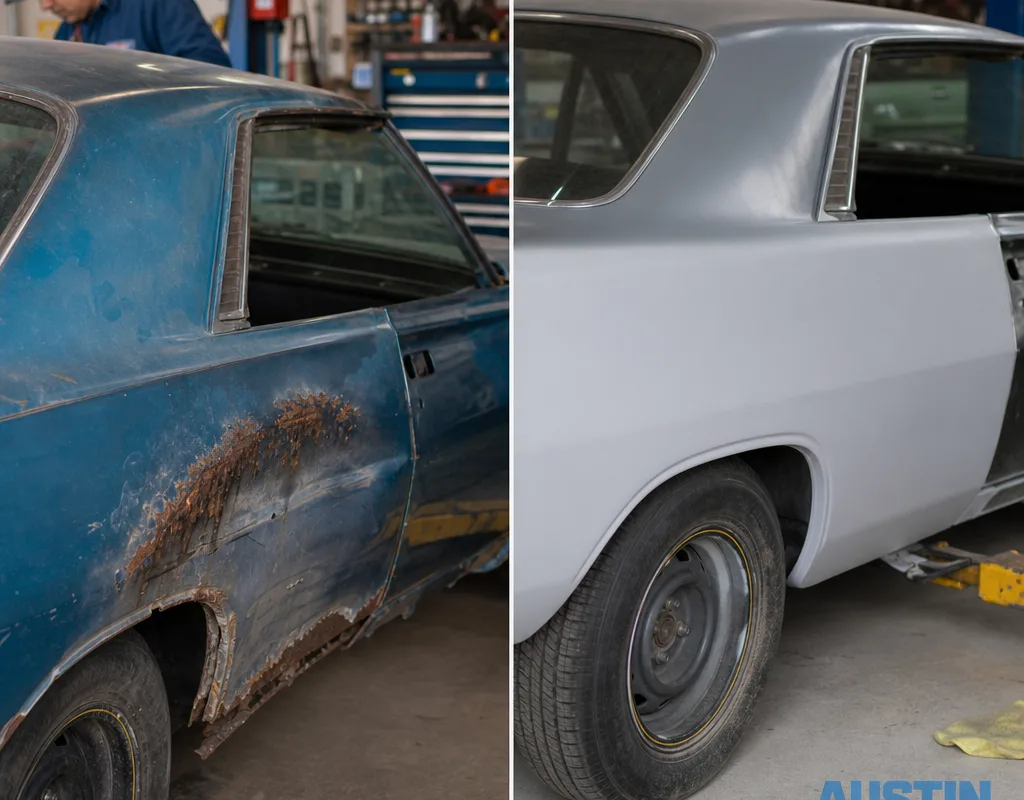
For many classics, hidden issues live under trim, carpets, or old paint. We document findings like corrosion, prior repairs, and missing hardware so there are fewer surprises later.
We repair rust and damage, then test-fit panels, doors, and hoods before committing to final surfacing. Straightness and gaps get set here, not after paint.
We use appropriate primers and blocking steps to achieve flat panels. Paint is applied only after the surface is right, then finished with cut and polish where the finish calls for it.
Trim, seals, lighting, and hardware go back on with attention to fit and function. If mechanical work is part of the scope, we address it alongside reassembly to avoid repeated labor.
Before delivery, we verify basics like cooling behavior, braking, steering feel, leaks, and lights. You get a clear explanation of what was repaired and what maintenance to plan next.
Bodywork, paint, and finishing details
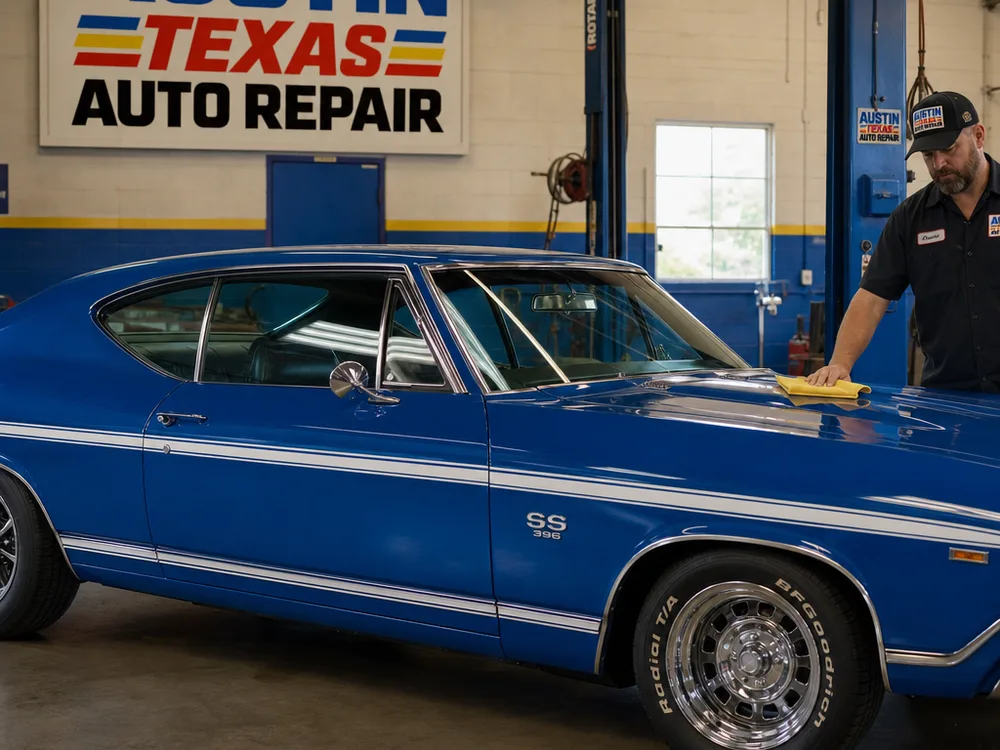
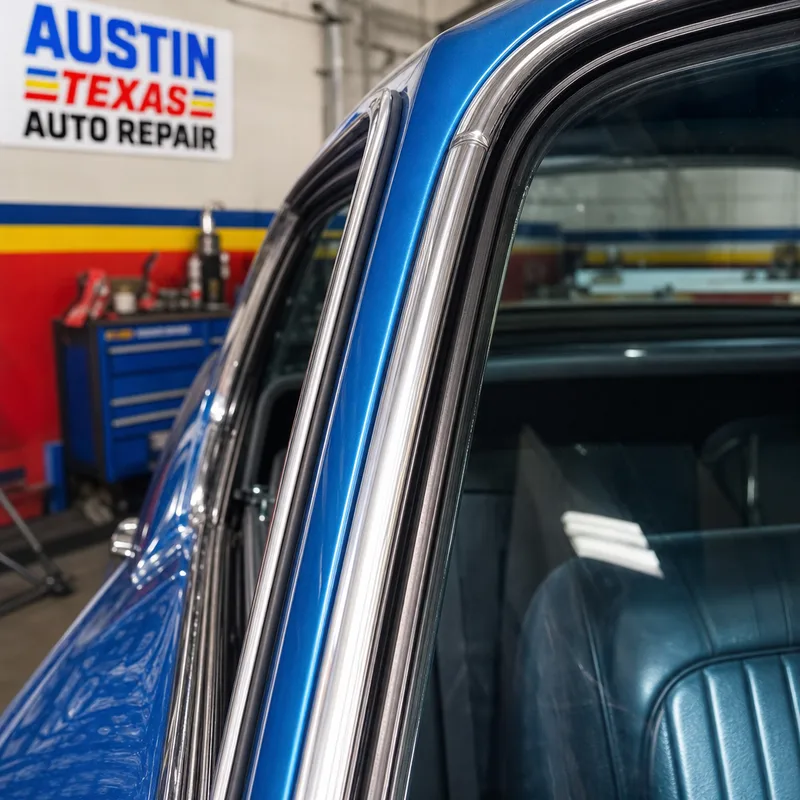
Pricing factors
Auto restoration in Austin typically ranges from about $3,000 to $12,000 for targeted body and paint repairs, while a full restoration commonly runs $25,000 to $80,000+ depending on the vehicle, rust, paint level, parts availability, and mechanical needs.
Driver-quality paint and partial disassembly usually costs less than show-level work with full teardown and metal fabrication. Final price changes most with hidden corrosion, prior repairs, panel fitment time, paint system choice, and parts sourcing; the exact cost is confirmed after an in-person inspection and a written scope.
Before your inspection
Most restoration timelines are measured in weeks to months, and full builds can take longer depending on parts lead times and the amount of teardown. A focused job may move faster than a project that needs rust fabrication, full blocking, and trim rework. After an inspection, we can give you a realistic sequence and the schedule drivers for your specific car.
Yes, partial restoration is common and often the smartest starting point. Many owners begin with safety and drivability items such as brakes, steering, and cooling, then address paint, trim, or interior in phases. We will help you prioritize work so you are not paying twice for the same disassembly.
Yes, rust and metal repair can be part of an auto restoration scope, including patch panels, localized fabrication, and correcting prior repairs. We diagnose how far corrosion has traveled under paint and seam sealer, show you what we find, and explain which repairs are structural, cosmetic, or necessary for a lasting finish.
We can match factory colors when you want an original look, and we can discuss modern paint systems when durability is the priority. The right approach depends on the car, your goal, and what is already on the vehicle. We also review expectations for blending existing paint versus repainting complete panels or the entire car.
Bring any history you have: prior paint or bodywork records, parts receipts, photos from earlier stages, and a list of what you want changed. It also helps to note how you plan to use the car around Austin, including freeway driving and summer heat, because that affects priorities like cooling and braking.
Yes, but we usually start with a safety and systems check before chasing cosmetics. Fuel, brakes, tires, wiring, and cooling can all degrade while a car sits, and sorting those items early helps avoid rework later. After the initial evaluation, we can map a phased plan to get it running and then looking the way you want.
Plan the next stage
Share what you are restoring, what condition it is in now, and how you want to use it. We will recommend a realistic scope and the next steps to move your classic forward.